The Comfort of Not Knowing: Strategic Ignorance and the Appeal of Action
Are people more likely to engage with distressing information when they believe they can actually do something about it? A new study published in The Economic Journal shows that strategic ignorance decreases when people feel their actions can make a difference.
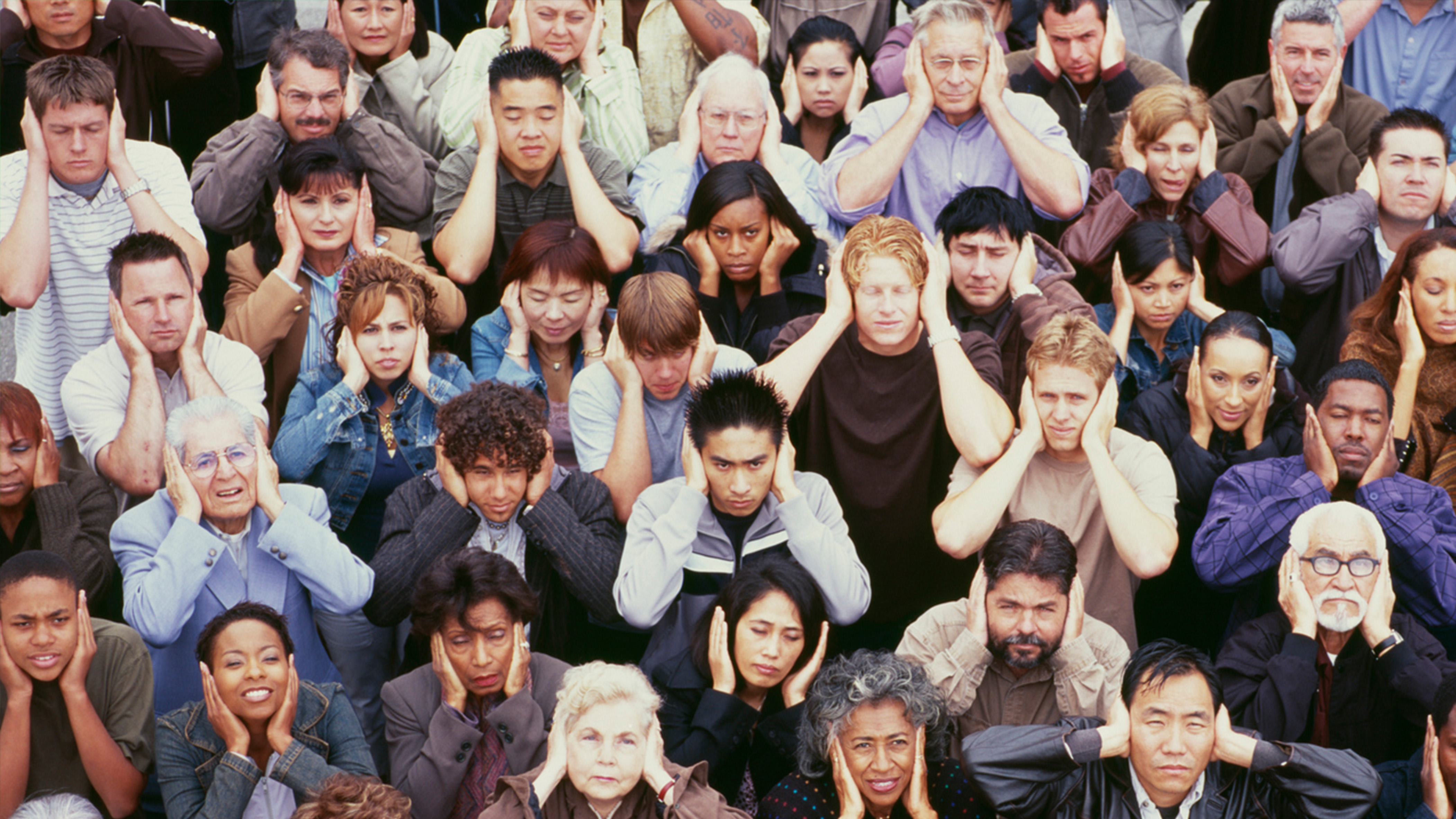
From online feeds to front-page headlines and everyday conversations, new information is widespread. The decision to receive information depends on whether it is useful but also on whether it is perceived to be good or bad news. Individuals generally dislike distressing information related to their environment or well-being, such as a looming economic recession, reports of a violent conflict, the outbreak of a pandemic, or the threat of climate change. Because interacting with such information can be unsettling, it may deliberately be ignored, foregoing valuable insights to improve decision-making.
Such strategic ignorance can take two distinct forms. First, one can actively avoid information before being exposed to it. Second, even after voluntarily or involuntarily acquiring information, one may deliberately forget. Tillmann Eymess, a senior researcher at the Department of Economics, and his co-authors examined whether the perceived capability of taking action causally reduces strategic ignorance, both in the form of deliberately avoiding and forgetting information.
Distressing information is often ignored when individuals perceive that there is little they can do to mitigate risks. Examples include avoiding medical tests for untreatable conditions, refraining from checking financial portfolios during a market decline, and forgetting about poor investment decisions. Additionally, the more serious the potential consequences, the more likely people are to avoid the information – suggesting that people often hesitate to face risks, interpret information in biased ways, or simply fail to recall what they know.
Evidence from an experiment on life expectancy losses from air pollution
The authors conducted a pre-registered experiment with a sample of 2,031 participants from across India to study the causal role of perceived capability on the decision to avoid and forget information about the loss in life expectancy due to air pollution. In the treatment group, they increased perceived impact by listing various simple but effective actions individuals can take to reduce exposure to both outdoor and indoor air pollution. Information avoidance is then measured by obtaining participants’ preference to receive information about the life expectancy loss in their home district. After participants completed an unrelated effort task for two minutes, they measured information retention by incentivizing the recall of the information.
In the experiment, some people chose not to see the information, and many who saw it forgot about it soon after. When the researchers showed people that simple actions like using masks, air purifiers, or better ventilation can lead to longer life expectancy, they were less likely to forget the information. This effect was strongest among overly optimistic people who initially believed the problem was less serious. The findings suggest that people are more willing to face difficult information when they believe their actions can make a difference. This has important implications for public health and other issues like climate change or personal finances. Providing information about risks may not be enough – people also need to feel that something can be done about them.
The authors conclude that when communicating distressing but actionable information, policymakers should pair the bad news with concrete coping strategies, as this can help overcome the psychological barrier of strategic ignorance.
Literature
Anca Balietti, Angelika Budjan, Tillmann Eymess, Alice Soldà. Strategic Ignorance and the Perceived Efficacy of Taking Action. 9 February 2026. Doi:https://doi.org/10.1093/ej/ueag022