Timo Boppart: Nobel Prize Committee Member in Interview
Timo Boppart, Professor of Economics and a member of the Committee for the Nobel Memorial Prize in Economic Sciences. Interview.
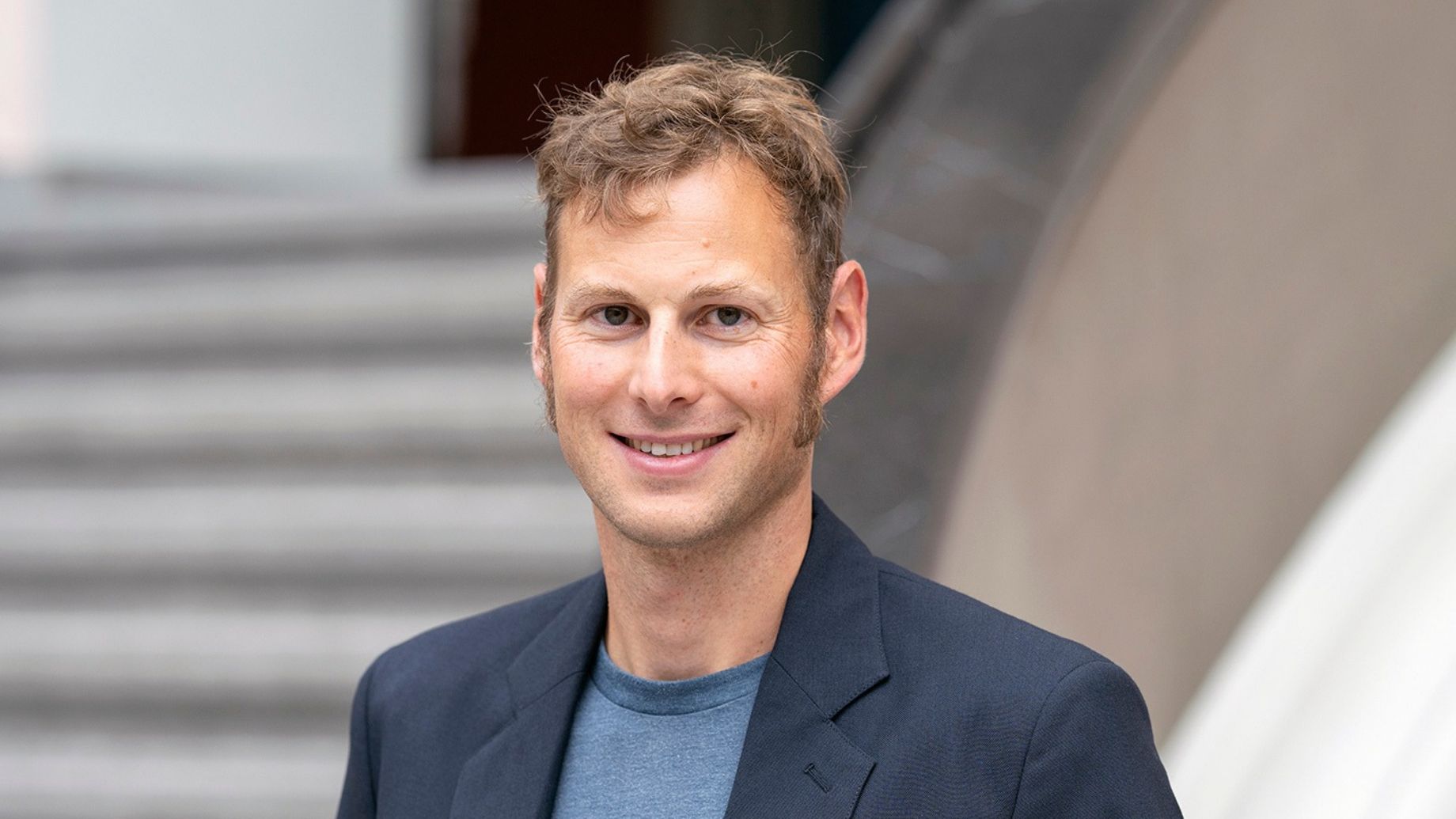
Timo Boppart, Professor of Economics in our Department and a member of the Committee for the Nobel Memorial Prize in Economic Sciences presented the scientific background to this year's award at the official announcement ceremony. In this interview, Boppart reflects on the decisions behind the 2026 award and shares his personal insights into what it means to serve on such a distinguished committee.
Interview by Solenn Le Goff
Solenn Le Goff: To what extent do the findings of this year's laureates influence current economic and monetary policy?
Timo Boppart: The New Keynesian framework has a direct impact on the conduct of monetary and fiscal policy, as policymakers around the world use it to inform their decisions. More generally, the work of this year’s laureates has profoundly shaped how policymakers think about economic stabilization. There has been a broad shift toward interest rate-based monetary policy and greater transparency in central banking, both of which are central elements of the New Keynesian framework. In addition, policy tools such as forward guidance, a monetary policy tool used by central banks to communicate how they expect interest rates to evolve in the future, emerged directly from this framework and its emphasis on forward-looking economic agents.
SLG: This year’s prize recognizes two researchers for their work on economic stabilization, a highly topical issue. How important is the current relevance of a research topic when assessing its scientific significance for the Nobel Prize?
TB: The current relevance of a research question is not directly decisive. The prize is awarded retrospectively, and the process moves slowly. However, recent events can sometimes highlight the importance of a particular scientific insight and make its value especially clear. Such developments can help demonstrate why a contribution is worthy of recognition.
SLG: You presented the scientific rationale for this year’s prize. What connection do you see between your own research and the work of the laureates?
TB: The two laureates are giants in the field of macroeconomics, and much of modern macroeconomic research builds on their contributions. In particular, Hall has made several seminal contributions beyond the work recognized by this year’s prize, including research on economic measurement, labor markets, and income differences across countries, research fields that I have a focus on.
SLG: Can you walk us through the process of selecting the Nobel Prize laureates in Economic Sciences? What distinguishes research that is considered worthy of such a prestigious recognition?
TB: There are relatively few formal rules, which are laid out in the statutes. For example, there can be no more than three laureates in a given year, a prize can be divided into at most two parts, and a laureate must receive at least one nomination in the year the prize is awarded. In my view, an ideal prize recognizes an outstanding scientific contribution that has had a significant impact on the field and has benefited humankind.
SLG: How long have you served on the committee, and how long is your term? How are committee members selected and appointed?
TB: This is my fourth year on the Prize Committee. Members are appointed by the Royal Swedish Academy of Sciences and my position requires reappointment on an annual basis.
SLG: What was it like to take part in the public announcement, knowing the laureates’ names in advance while the rest of the world was still waiting to find out?
TB: The press conference always involves a mixture of excitement and tension. It is fascinating to see how the prize is received by the broader public and how effectively we are able to communicate the significance of the laureates’ contributions.
SLG: What was the most memorable moment for you personally throughout this year’s selection process and award announcement?
TB: For me, the most emotional moment each year is calling the laureates to inform them that they have been awarded the prize.