When Selfish-Serving Distortions Spread
We may distort the impact of our actions, whether we act selfishly or prosocially, but only selfish-serving distortions seem to spread.
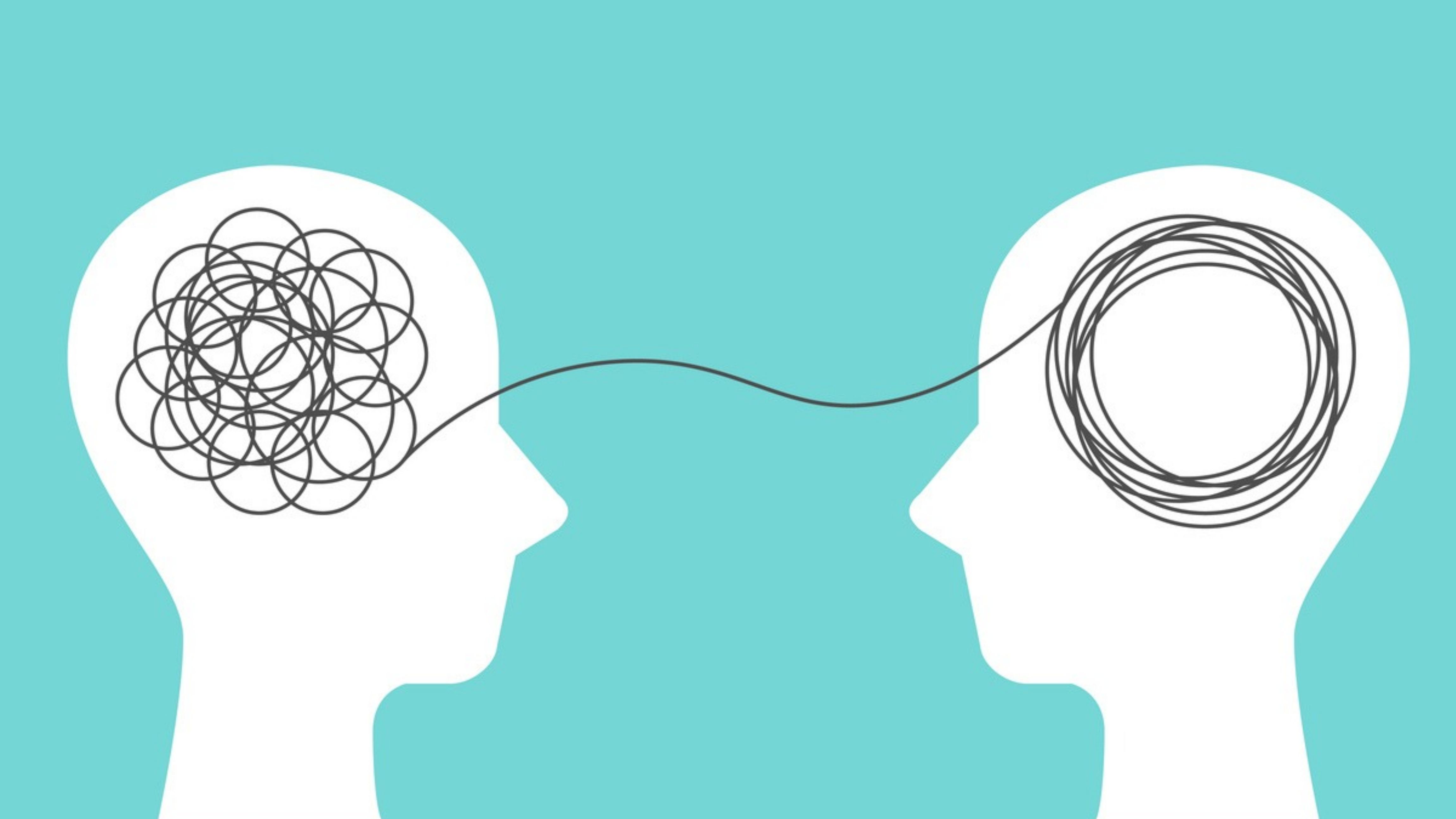
You could have traveled by train instead of flying, but how much better would that have been for the environment and thus for others? You could have spent more on vacation instead of donating to charity, but how much worse would that have been? We constantly make choices without knowing exactly how they impact others. This uncertainty creates room for interpretation. Do people use it to make themselves look good? And if so, how do those interpretations influence the people exposed to them?
A study led by Marius Vollberg of the UZH Department of Economics, published in Nature Human Behaviour, shows that people use this uncertainty to make themselves look good, whether they act selfishly or prosocially. However, the two kinds of distortion are not equally contagious, with only the selfish version catching on: people who see it adopt it and act more selfishly themselves.
A simple task with uncertain consequences
To better understand the mechanisms at work, Vollberg and his co-author Jörg Gross carried out nine online experiments with 8,769 participants, all centered on the choice between two options. The selfish option paid them 7 points and the other person somewhere between 1 and 3. The prosocial option paid them 5 points and the other person somewhere between 3 and 5. Their own payoff was certain; the other person's was not. After choosing one option, participants estimated what the other person actually received, and what they would have received under the other option. Accurate estimates earned a bonus. Any systematic drift away from the middle of the range counts as a distortion.
Selfish choosers reported the two outcomes as closer together. This makes it seem like their choice cost the other person little. Prosocial choosers did the opposite. They rated the prosocial option as clearly better for the other person, and sometimes also talked up the option they had rejected. This makes it seem like they did more “good” and sacrificed more to do so.
Not just excuses
Are people simply making excuses to justify the choice they already made? This explanation seems unlikely since the distortions appeared even before people chose. And when the researchers assigned people to a forced choice, the distortions tracked what people would have chosen freely, not what they had been assigned.
Selfish-serving distortion spreads
What happens when people see someone else's estimates before they choose? The researchers showed new participants the estimates of a previous participant. This person had no special authority. Only the selfish-serving distortion (think "My choice didn't do much harm" / "The alternative wouldn't have helped much") caught on. Participants adopted it and chose the selfish option more often. The prosocial-serving distortion did not spread.
Fewer than one in ten participants produced the selfish-serving pattern. "But if that pattern spreads more readily than the prosocial one, a small minority could shift how a whole group behaves," says Vollberg.
From abstract experiments to the real world
The experiments use abstract choices on purpose. But the researchers hope the pattern helps explain why people so often disagree about what their choices do to others, whether in climate action, consumption, foreign aid or social welfare. "Our experimental task strips many real-world dilemmas down to their core: a choice with ambiguous social consequences. Situations where people don't have to lie to reach a convenient conclusion are everywhere, but how exactly distortions play out in specific domains remains to be seen," says Vollberg.